
Outfit color confidence grows when you notice which shades make you feel most like yourself. Confidence rarely begins with random experimentation. It begins with recognition. Some colors help you stand taller. Some make you feel calmer. Others look beautiful but never feel right. Your closet already contains useful clues. Repeated choices reveal emotional comfort. They also reveal practical lifestyle needs. When you study those patterns, color becomes easier. Dressing starts feeling more personal and less uncertain.
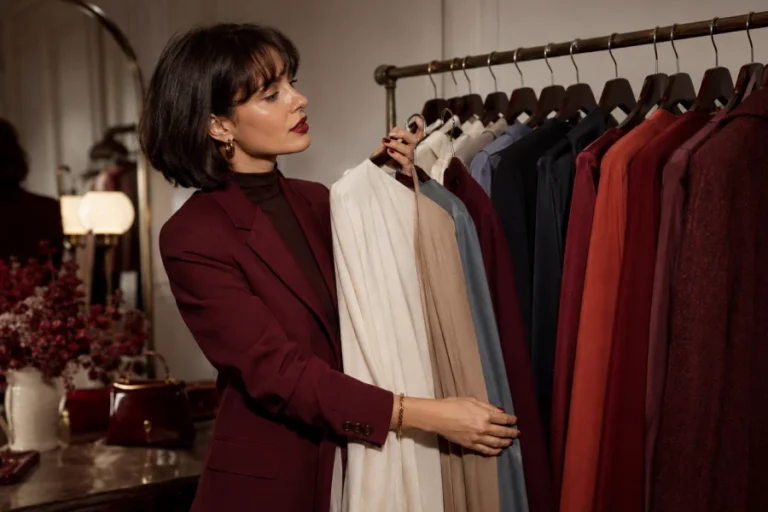
Start by noticing what you wear often. Look at photos where you like your outfit. Check which colors earn repeat use. A simple color styling choices habit can reveal clear patterns. You may favor deep tones for structure. You may choose soft shades for ease. You may avoid colors that feel loud. Outfit color confidence improves when evidence replaces guessing. Your best colors should work emotionally and practically. Observation makes style decisions feel grounded.
Trying new color can feel intimidating. Start with accessories or inexpensive layers. A scarf tests a shade near the face. Shoes test color away from the face. A bag adds impact without changing fit. Nail color can explore mood quickly. Borrowed pieces can reveal unexpected preferences. Natural light gives the most honest view. Wear the color during real activities. Confidence grows through experience, not theory alone.
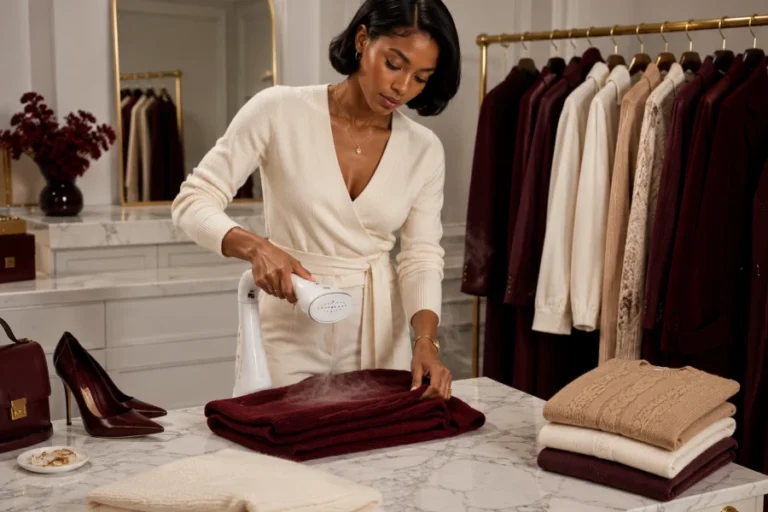
A personal palette helps reduce daily decisions. Choose reliable neutrals first. Add accent colors that consistently feel good. A thoughtful wardrobe color strategy can keep combinations simple. Repeat colors across tops, bottoms, and accessories. This creates more outfit options with fewer pieces. Outfit color confidence becomes stronger when coordination feels natural. You stop wondering what matches every morning. Your closet begins to work as one system. That ease supports more adventurous choices later.
Some colors fail for reasons beyond theory. The shade may clash with your lifestyle. The fabric may reflect light poorly. The silhouette may make the color feel louder. The item may remind you of someone else. Your mood may not match the message. Discomfort is useful information. Do not force colors that drain confidence. Adjust tone, placement, or texture instead. Personal style improves when you listen carefully.
Important moments deserve colors you trust. Presentations may call for grounded tones. Celebrations may invite brightness or warmth. Difficult conversations may need calming shades. A flexible outfit mood planning routine helps match color to the day. Choose one emotional objective first. Then build the outfit around it. Outfit color confidence makes important dressing less stressful. The goal is not perfection. It is alignment between clothing, mood, and message.
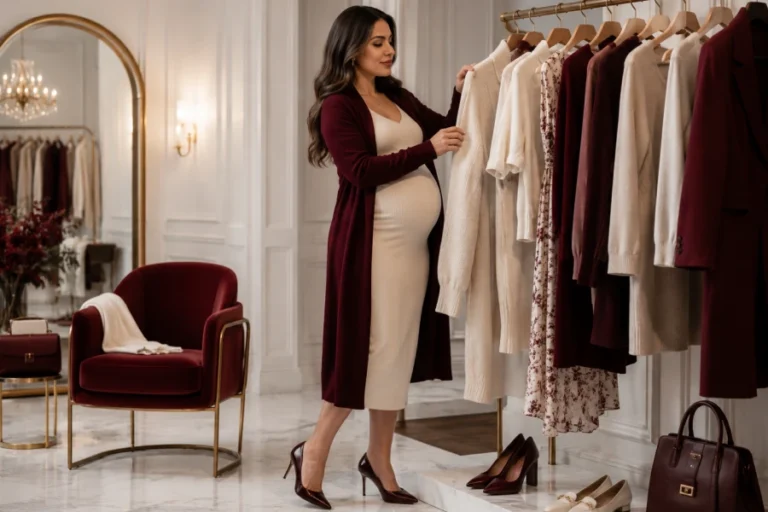
Your best colors can change over time. Lifestyle, hair color, climate, and confidence all shift. A palette that worked years ago may feel limiting now. New roles can require different visual messages. Travel can inspire new combinations. Seasonal light can change what feels flattering. Keep revisiting your closet with curiosity. Remove colors that no longer support you. Add shades slowly and intentionally. Evolution keeps personal style alive.

Leave a comment