
Color psychology in fashion helps explain why tiny outfit decisions can change a whole impression. A scarf can soften a structured coat. Shoes can add authority or ease. A bright sweater can lift a gray morning. A muted palette can feel elegant and controlled. These choices may seem simple, but they carry emotional weight. Color affects how you see yourself. It also affects how others read your mood. This makes color one of fashion’s most practical tools. Used thoughtfully, it turns dressing into communication.
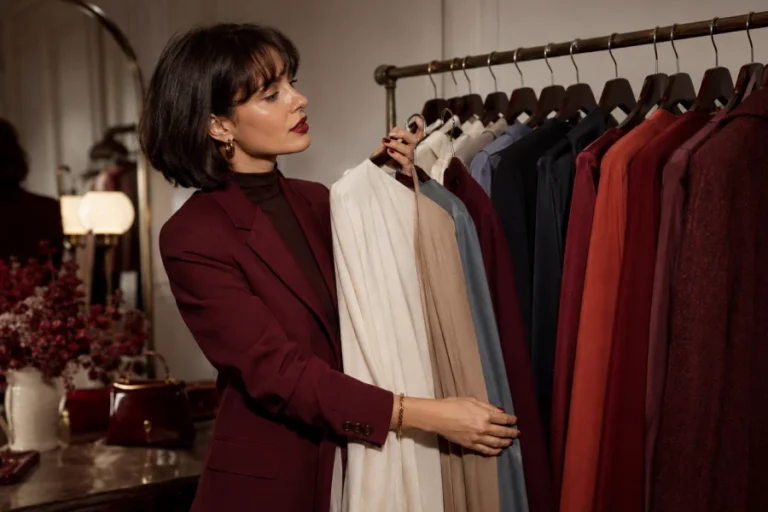
Mood often decides which colors feel wearable. Some mornings call for calm neutrals. Others need brightness, warmth, or strength. A flexible color confidence system helps you respond without overthinking. Blue can feel steady and composed. Red can feel energetic and direct. Brown can feel grounded and warm. Yellow can feel cheerful but demanding. Color psychology in fashion works best when mood leads. The question becomes how you want to feel.
No color has only one meaning. Black can feel elegant at dinner. It can feel severe in daylight. White can look fresh or impractical. Red can be romantic, bold, or intense. Green can feel natural or luxurious. Context decides which message becomes strongest. Fabric, setting, fit, and styling all matter. Personal confidence also changes the result. Color meaning becomes more useful when interpreted with nuance.
Signature style often begins with repeated color choices. You may return to navy for reliability. You may choose cream for softness. A thoughtful personal color expression habit reveals patterns. Repetition creates recognition without looking boring. Accessories can reinforce a personal palette. Makeup and hair color also influence the final effect. Color psychology in fashion helps those choices feel connected. It turns preference into a recognizable style language. Over time, your palette starts speaking before you do.
Most people keep safe colors close. Black, navy, gray, denim, and beige feel reliable. Brave colors ask for more intention. They may draw attention or shift energy. This does not make them difficult. It makes them expressive. Use bold shades in controlled doses first. Try shoes, bags, scarves, or knitwear. Pair strong color with familiar silhouettes. Confidence grows when experimentation feels manageable.
Daily dressing becomes easier when color has purpose. Choose one message before choosing clothes. Calm, focus, warmth, authority, or playfulness can lead. A clear clothing color symbolism perspective helps translate that message. Then select shades that match the intention. Keep fit and comfort equally important. Color psychology in fashion should support you, not restrict you. The best outfits feel emotionally aligned. They make ordinary days look more considered.
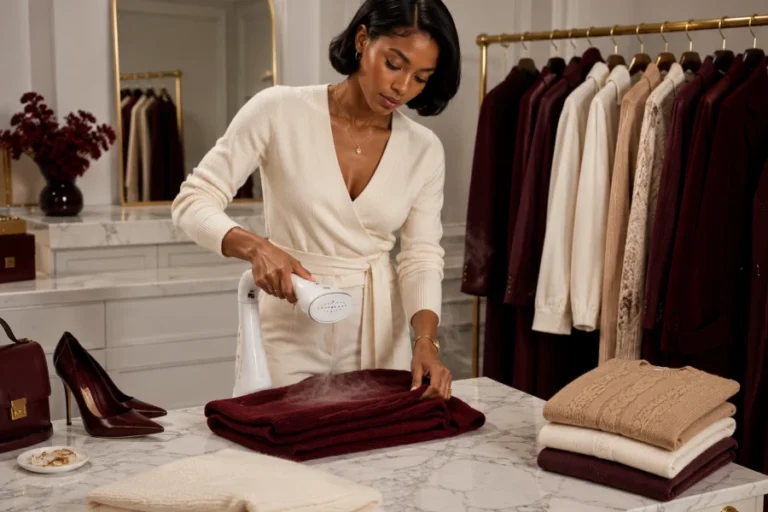
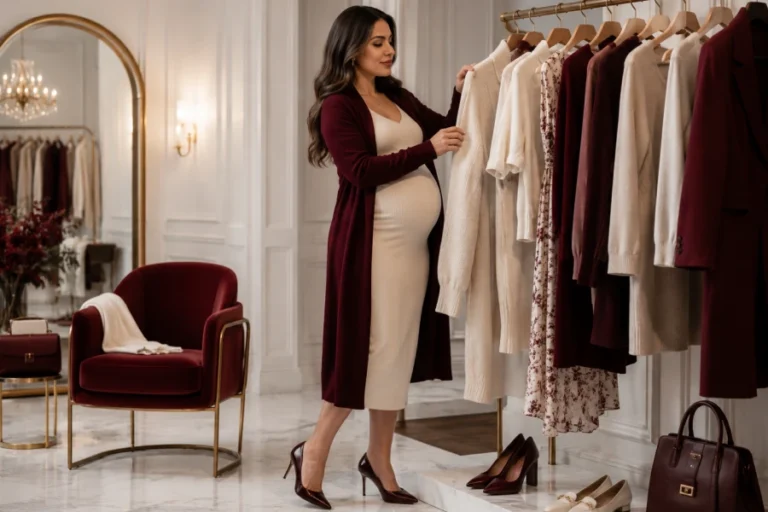
A modern palette does not need dozens of colors. It needs contrast, balance, and enough personality. Combine warm and cool tones carefully. Use neutrals to calm saturated shades. Repeat accent colors across accessories. Let one piece carry the strongest color. Keep the rest visually supportive. Update your palette as your life changes. Style becomes fresher when color stays responsive. A small shift can make familiar clothes feel new.

Leave a comment